The Benefits of Mood Tracking
In the hustle and bustle of daily life, it’s easy to lose track of our emotional well-being. We might find ourselves swept up in the demands of work, relationships, and other responsibilities, often neglecting to check in with ourselves and how we’re feeling. However, maintaining awareness of our moods is crucial for our mental health and overall well-being. One effective way to do this is by keeping a daily mood tracker.
What is a Daily Mood Tracker?
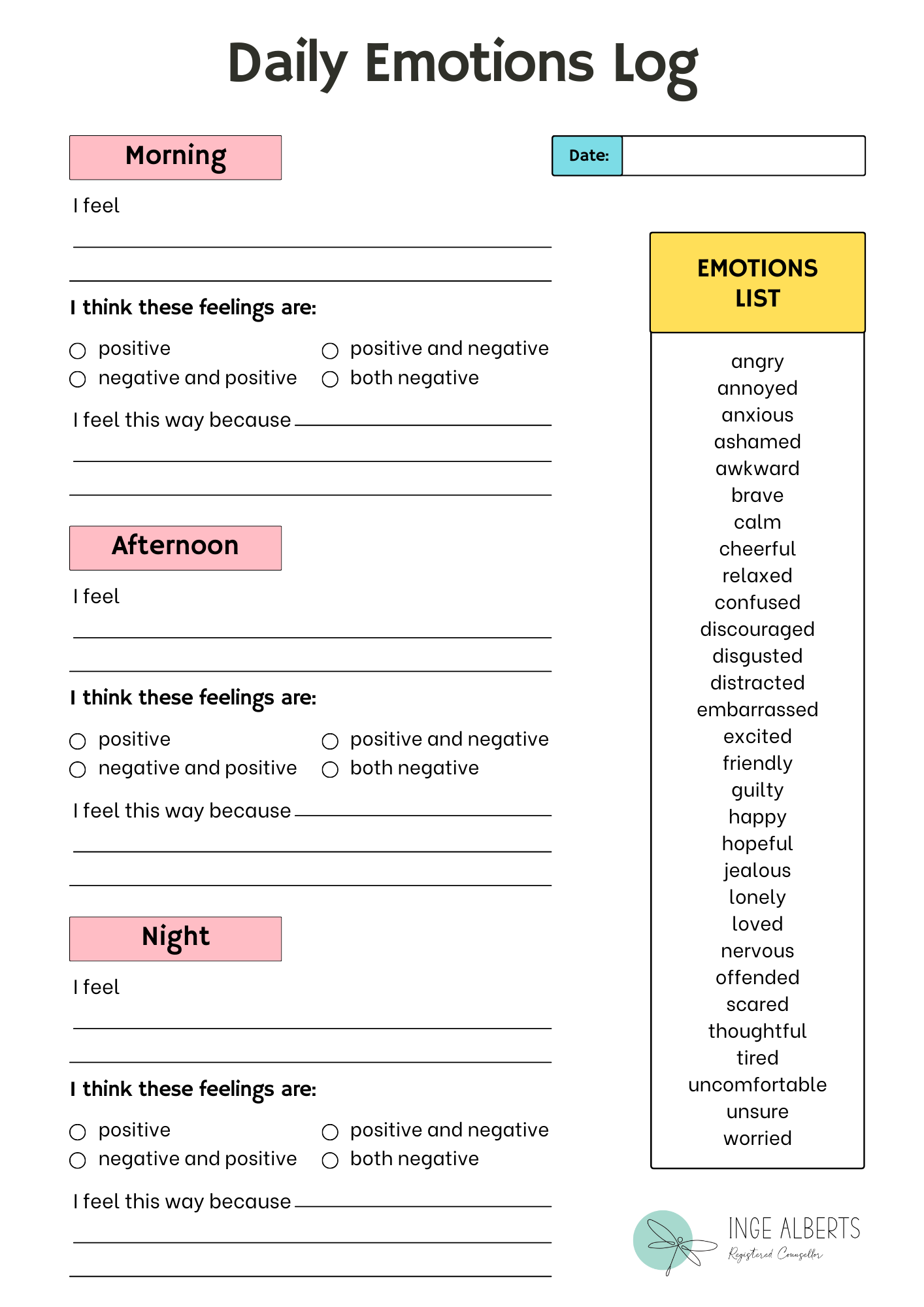
A daily mood tracker is a simple tool used to record and monitor your emotional state on a day-to-day basis. It typically involves rating your mood on a scale, such as from 1 to 10, and jotting down any additional notes or observations about your feelings. This can be done using a journal, a mobile app, or even a simple spreadsheet.
The Benefits of Daily Mood Tracking
- Increased Self-Awareness: One of the most significant benefits of daily mood tracking is the heightened self-awareness it fosters. By regularly reflecting on your emotions, you become more in tune with your mental state and patterns of behavior. This self-awareness can help you identify triggers for negative emotions and take proactive steps to address them.
- Identifying Patterns: Over time, tracking your mood daily allows you to identify patterns and trends in your emotional well-being. You may notice correlations between certain activities, events, or even the weather and your mood fluctuations. Recognizing these patterns empowers you to make informed decisions about lifestyle changes or coping strategies that can positively impact your mental health.
- Tracking Progress: Just as you track progress in other areas of your life, such as fitness or career goals, daily mood tracking enables you to monitor your emotional progress. Celebrating small victories and acknowledging improvements in your mood can be incredibly motivating and reinforce positive habits.
- Better Communication: Keeping a daily mood tracker can also improve communication with loved ones, therapists, or healthcare professionals. It provides concrete data about your emotional experiences, facilitating more meaningful conversations about your mental health and ensuring that you receive the support and assistance you need.
- Enhanced Mood Regulation: Engaging in daily mood tracking encourages mindfulness and emotional regulation. As you become more attuned to your feelings, you develop greater resilience in managing stress, anxiety, and other negative emotions. You may also discover effective coping mechanisms that help you navigate challenging situations with greater ease.
- Promoting Accountability: Holding yourself accountable to track your mood daily can be a powerful motivator for prioritizing self-care and mental wellness. Knowing that you have committed to monitoring your emotional state encourages you to pay closer attention to your feelings and take proactive steps to maintain balance and equilibrium.
Tips for Effective Mood Tracking
- Be Consistent: Try to record your mood at the same time each day to establish a routine.
- Keep It Simple: Choose a method of tracking that works best for you, whether it’s a journal, an app, or a digital spreadsheet.
- Include Additional Context: Note any significant events, activities, or thoughts that may have influenced your mood to provide context for your entries.
- Be Honest: Honesty is key to the effectiveness of mood tracking. Be open and transparent about how you’re feeling, even if it’s uncomfortable.
Incorporating a daily mood tracker into your routine can be a transformative tool for enhancing your mental wellness. By fostering self-awareness, identifying patterns, and promoting accountability, mood tracking empowers you to take control of your emotional health and live a more balanced and fulfilling life.